A Geriatrician Just Joined a Mortgage Company, And That Should Worry Every Retirement Planner
Dr. Samir Sinha spent three decades treating patients who wanted to stay in their own homes until they couldn't afford to anymore. Now he works for the company that lends them the money to do it.
HomeEquity Bank, Canada's largest reverse mortgage provider, has appointed Sinha to the newly created role of Health and Aging Consultant. The move marks the first time a major financial institution has formally embedded a geriatrician into its product development and client advisory structure. It should make every retirement planner reconsider whether they understand the actual cost structure their clients are facing after age 75.
The numbers explain why a mortgage company hired a doctor. Over 90% of Canadian seniors say they want to age in place, according to the National Institute on Ageing. Moderate home-based support services, nursing visits, mobility modifications, monitoring technology, run between $15,000 and $30,000 annually depending on the province. That range exceeds the combined average payout from CPP and OAS. The gap has to come from somewhere.
For most retirees, that somewhere is home equity. The average Canadian over 65 holds more wealth in their principal residence than in RRSPs, TFSAs, and non-registered accounts combined. Which means the financing vehicle for the last decade of life is increasingly a reverse mortgage, not a drawdown plan. Sinha's job is to help borrowers understand what that decade will actually require in medical and modification costs before they structure the loan.
The care gap is a financing problem
Financial plans typically model longevity risk as the possibility of running out of money before death. What they don't model well is the shape of spending in the final ten years. Healthcare expenses don't rise in a smooth line. They spike in clusters, hip replacement at 78, dementia care starting at 82, a second bathroom conversion at 85. These spikes don't correlate with market returns or pension indexing. They correlate with the progression of chronic conditions that geriatricians can often predict years in advance.
Sinha's role is to bring that clinical foresight into the financial planning conversation. He is expected to produce educational content for both consumers and advisors, focused on common aging trajectories and their associated costs. A client with early-stage Parkinson's at 70, for instance, will likely need grab bars and a walk-in shower by 74, and full-time care by 80. Knowing that in 2026 allows for better borrowing decisions than discovering it in 2030 when the options have narrowed.
Why this worries planners
The implication for the advisory industry is uncomfortable. If a mortgage lender is now providing integrated health-and-wealth planning, it exposes the gap where financial advisors have historically stopped. Most planners model retirement income. Few model the specific costs of bilateral knee arthritis or moderate cognitive impairment, even though those conditions appear in predictable percentages of the population at predictable ages.
HomeEquity Bank's bet is that advisors either start incorporating healthcare cost modeling into their practice or clients will get it from the lender instead. Reverse mortgage debt in Canada now exceeds $7 billion, up from negligible figures a decade ago. That growth is being driven not by financial illiteracy but by the structural reality that CPP was designed for a 15-year retirement, and Canadians are now living 25 years past 65. The math doesn't close without accessing the house.
Sinha's appointment legitimizes that access. A globally recognized geriatrician joining a reverse mortgage company sends a signal: using home equity to fund aging in place is not a last resort. It is a clinical recommendation with a financing structure attached.
Retirement planners who treat reverse mortgages as products of desperation rather than tools in a broader health-and-housing strategy are going to find themselves competing with a lender that has a geriatrician on staff. The question is no longer whether clients should tap home equity. The question is whether their planner knows enough about aging to help them do it well.



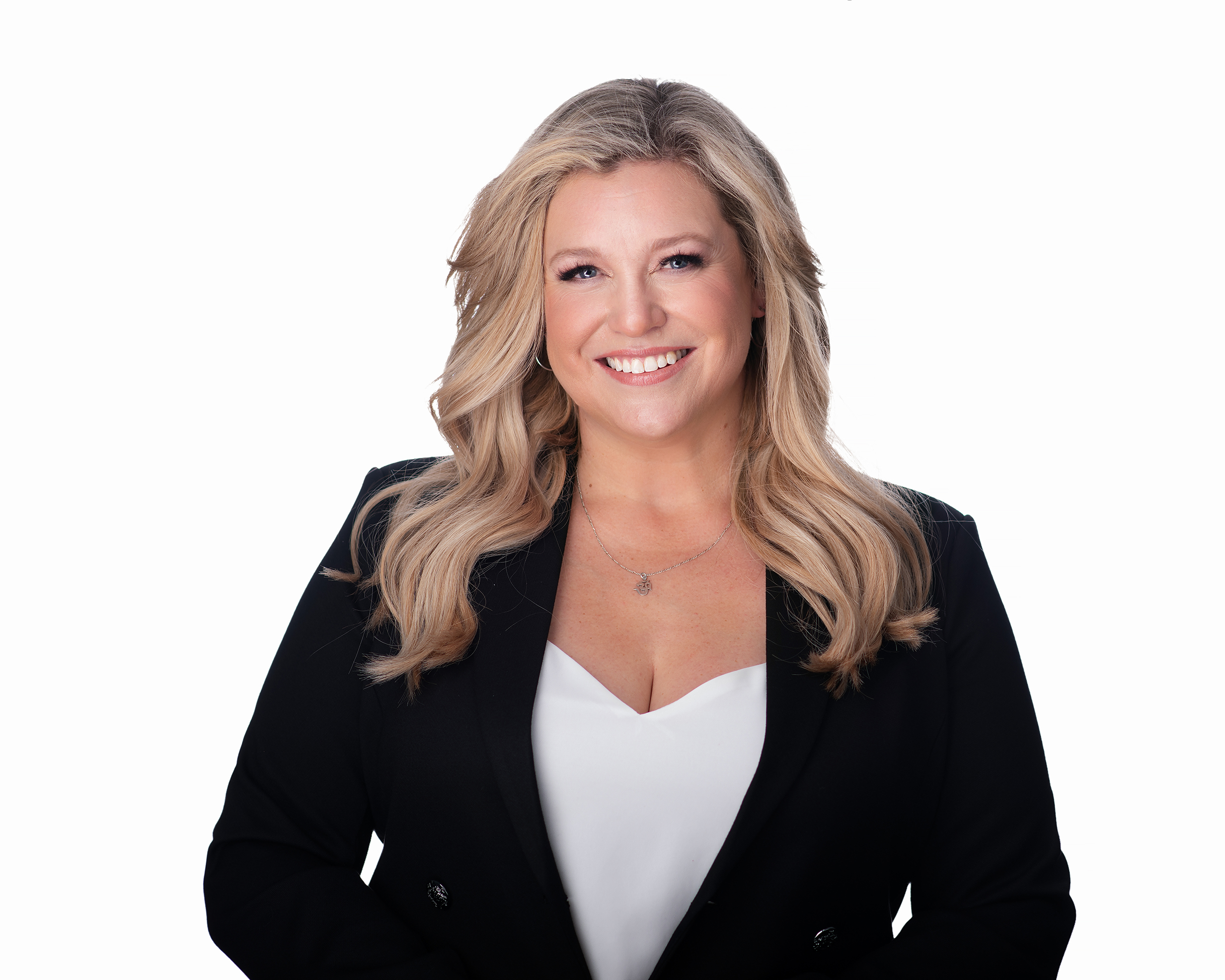
Dr. Samir Sinha spent three decades treating patients who wanted to stay in their own homes until they couldn't afford to anymore. Now he works for the company that lends them the money to do it.
HomeEquity Bank, Canada's largest reverse mortgage provider, has appointed Sinha to the newly created role of Health and Aging Consultant. The move marks the first time a major financial institution has formally embedded a geriatrician into its product development and client advisory structure. It should make every retirement planner reconsider whether they understand the actual cost structure their clients are facing after age 75.
The numbers explain why a mortgage company hired a doctor. Over 90% of Canadian seniors say they want to age in place, according to the National Institute on Ageing. Moderate home-based support services, nursing visits, mobility modifications, monitoring technology, run between $15,000 and $30,000 annually depending on the province. That range exceeds the combined average payout from CPP and OAS. The gap has to come from somewhere.
For most retirees, that somewhere is home equity. The average Canadian over 65 holds more wealth in their principal residence than in RRSPs, TFSAs, and non-registered accounts combined. Which means the financing vehicle for the last decade of life is increasingly a reverse mortgage, not a drawdown plan. Sinha's job is to help borrowers understand what that decade will actually require in medical and modification costs before they structure the loan.
The care gap is a financing problem
Financial plans typically model longevity risk as the possibility of running out of money before death. What they don't model well is the shape of spending in the final ten years. Healthcare expenses don't rise in a smooth line. They spike in clusters, hip replacement at 78, dementia care starting at 82, a second bathroom conversion at 85. These spikes don't correlate with market returns or pension indexing. They correlate with the progression of chronic conditions that geriatricians can often predict years in advance.
Sinha's role is to bring that clinical foresight into the financial planning conversation. He is expected to produce educational content for both consumers and advisors, focused on common aging trajectories and their associated costs. A client with early-stage Parkinson's at 70, for instance, will likely need grab bars and a walk-in shower by 74, and full-time care by 80. Knowing that in 2026 allows for better borrowing decisions than discovering it in 2030 when the options have narrowed.
Why this worries planners
The implication for the advisory industry is uncomfortable. If a mortgage lender is now providing integrated health-and-wealth planning, it exposes the gap where financial advisors have historically stopped. Most planners model retirement income. Few model the specific costs of bilateral knee arthritis or moderate cognitive impairment, even though those conditions appear in predictable percentages of the population at predictable ages.
HomeEquity Bank's bet is that advisors either start incorporating healthcare cost modeling into their practice or clients will get it from the lender instead. Reverse mortgage debt in Canada now exceeds $7 billion, up from negligible figures a decade ago. That growth is being driven not by financial illiteracy but by the structural reality that CPP was designed for a 15-year retirement, and Canadians are now living 25 years past 65. The math doesn't close without accessing the house.
Sinha's appointment legitimizes that access. A globally recognized geriatrician joining a reverse mortgage company sends a signal: using home equity to fund aging in place is not a last resort. It is a clinical recommendation with a financing structure attached.
Retirement planners who treat reverse mortgages as products of desperation rather than tools in a broader health-and-housing strategy are going to find themselves competing with a lender that has a geriatrician on staff. The question is no longer whether clients should tap home equity. The question is whether their planner knows enough about aging to help them do it well.
Read Next
How to Eliminate Bridge Financing by Controlling Your Closing Dates
How to position your portfolio for a decade of below-average stock market returns
The Government's 'Productivity Deduction' Is a Rebrand, Not a Reform
Pay Down Your House Before Your Rental: The Tax Math Real Estate Investors Miss